

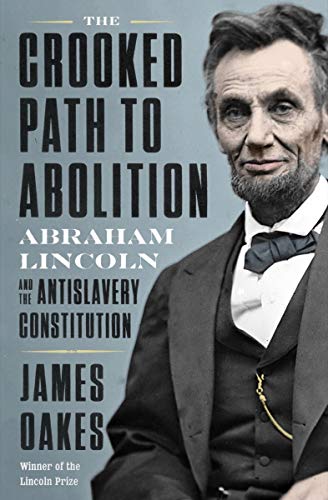

James Oakes, the two-time winner of the Lincoln Prize for his writing on the politics of abolition, examines the path of Lincoln’s antislavery strategies, which reveal a striking consistency and commitment extending over many years. For Lincoln, the linchpin of antislavery for Lincoln was the Constitution of the United States.
Lincoln adopted the antislavery view that the Constitution made freedom the rule in the United States, slavery the exception. Where federal power prevailed, so did freedom. Where state power prevailed, that state determined the status of slavery, and the federal government could not interfere unless the state itself acted. However, Lincoln and his antislavery allies used every tool available to undermine the institution. Wherever the Constitution empowered direct federal action over the slave trade — in the western territories, in the District of Columbia — they intervened.
As President, Lincoln took full advantage of the antislavery options opened by the Civil War. Enslaved people who escaped to Union lines were declared free. The Emancipation Proclamation of January 1, 1863, a presidential military order, undermined slavery across the South. The six slave states which then abolished slavery joined the coalition to affect state ratification of the constitutional amendment that in 1865 finally abolished slavery.
According to one reviewer: Oakes packs an absolutely enormous amount of research and contemplation into barely 200 pages. He’s never willing to exonerate Lincoln, and that makes The Crooked Path to Abolition unfailingly challenging reading…. This brief book works as a powerful corrective to that neglect [of antislavery constitutionalism]; it’s a fascinating way to look at Lincoln the thinker.
