
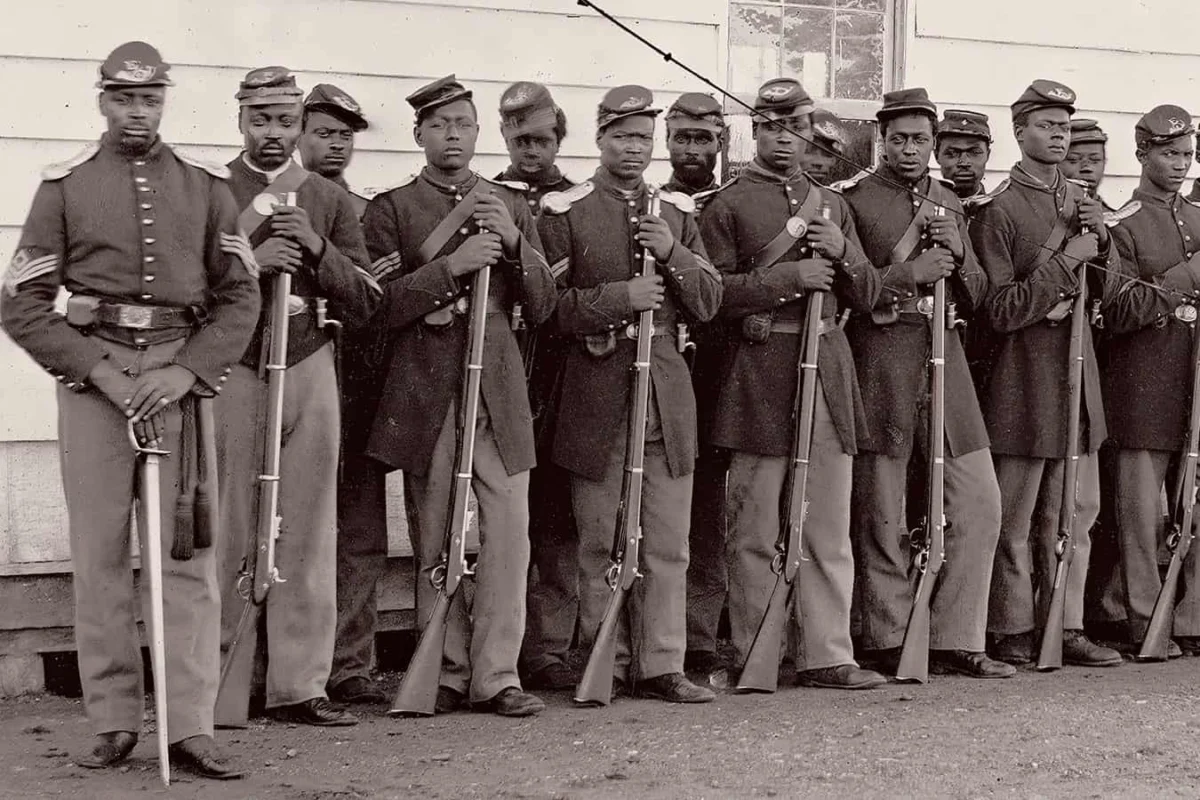
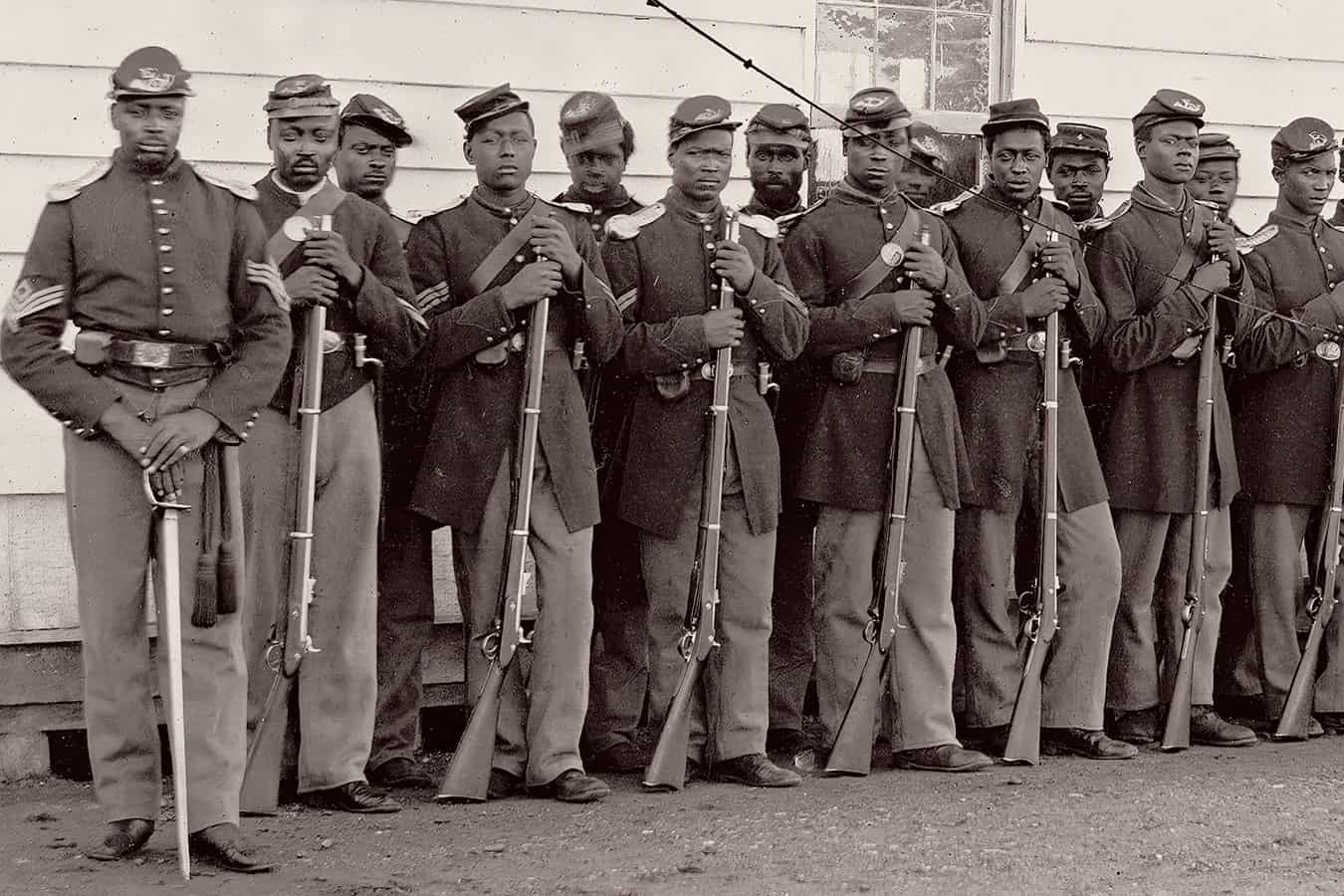
The aim of the many recent falsifications of the American Revolution and Civil War as “reactionary” events, like those in the New York Times' "1619 Project", has been to invalidate the country’s revolutionary traditions and history. Such falsifications arrive in a context of widening attacks on the social rights of the vast majority, and growing working class resistance to a social and political order that can -- right alongside that of King George -- be indicted by Jefferson’s Declaration of Independence, which insists on the “right” and the “duty” to “alter or abolish” any government that becomes destructive of “life, liberty, and the pursuit of happiness.”
"...America opened with one of those great, really liberating, really revolutionary wars of which there have been so few compared to the vast number of wars of conquest which, like the present imperialist war, were caused by squabbles among kings, landowners or capitalists over the division of usurped lands or ill-gotten gains." --Vladimir Lenin, "Letter to American Workers"
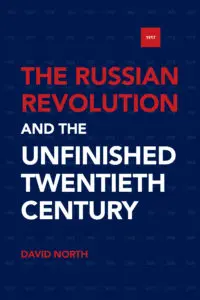
Similar falsifications about the Russian Revolution were put forward after the dissolution of the USSR in 1991. In The Russian Revolution and the Unfinished Twentieth Century, David North challenged contemporary historians who claimed that the dissolution of the Soviet Union signaled the “end of history” or a “short twentieth century”. Disputing the postmodernist view that all history is merely subjective “narrative,” North argues that a thorough materialist knowledge of history is vital for humanity’s survival in the 21st century.
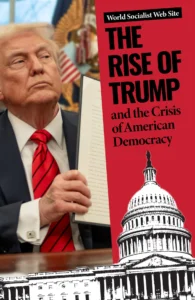
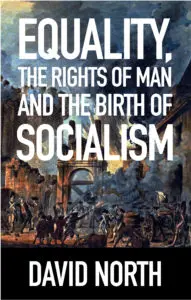
The United States is one of the most unequal societies in history. Its billionaire oligarchs have personal wealth exceeding the wealth of entire nations, and they run their corporations like kings in their quests to become trillionaires. The world economy is a dictatorship of the oligarchs.
Democratic rights and forms of rule in the political arena are not compatible with dictatorial forms of power in the economic arena. A political and legal framework where, in theory, a worker and a billionare have the same rights and political power will be quickly overwhelmed by the social reality that one person has nothing to sell but labor power and the other has tens of billions of dollars. Advances on democratic rights and practices will only be made by the working class in overturning capitalist rule and establishing democratic control over the society to meet human needs.
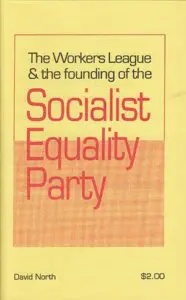
The demand for social equality not only sums up the basic aim of the socialist movement; it also evokes the egalitarian traditions that are so deeply rooted in the genuinely democratic and revolutionary traditions of the American workers.
All the great social struggles of American history have inscribed on their banners the demand for social equality. It is no accident that today, in the prevailing environment of political reaction, this ideal is under relentless attack.
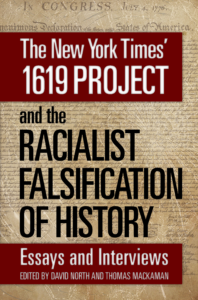
In August, 2019, the New York Times launched its “1619 Project,” marking the 400th anniversary of the initial arrival of 20 African slaves at Point Comfort in Virginia, a British colony in North America. Under the pretense of establishing the United States' “true” foundation, the 1619 Project collected a series of politically motivated falsifications that interpreted American history entirely through the prism of race and racial conflict.
The WSWS published detailed refutations of the numerous falsifications and interviewed leading historians of the United States' two revolutionary wars. In 2021, Mehring Books published The New York Times' 1619 Project and the Racialist Falsification of History bringing together these essays, lectures and interviews, edited by David North and Thomas Mackaman.
US historians review The New York Times' 1619 Project and the Racialist Falsification of History
"The controversy over the serious flaws in the 1619 Project's accounts of American history began with the WSWS's interviews of numerous highly distinguished liberal and left scholars. Their calm and precise critiques and others met with no rebuttal, only evasive dismissal by the project's overseers. Even now, despite 'clarification' and silent editing, glaring factual errors remain in the project's materials. This volume vindicates W. E. B. Du Bois's condemnation of propaganda disguised as history."
-- Sean Wilentz, Princeton University, Bancroft Prize-winning author of The Rise of American Democracy: Jefferson to Lincoln
"Fears of association with Trump and his white-supremacist allies can inhibit leftist criticism of the 1619 Project. But from a bold socialist-revolutionary perspective, Mackaman's and North's volume argues cogently that the 1619 Project misinterprets historical causes and effects by positing eternal and immutable cultural or 'racial' identities that deny past--and preclude present and future--collective action against capitalist and imperial power."
-- Kerby Miller, University of Missouri, Pulitzer Prize finalist author of Emigrants and Exiles: Ireland and the Irish Exodus to North America
"The New York Times' 1619 Project and the Racialist Falsification of History is a brave and necessary response to the errors in fact and interpretation that characterize the 1619 Project. It may be that the survival of the historical profession as a legitimate enterprise depends on this critique being heard."
-- William E. Weeks, San Diego State University, author of Building the Continental Empire: American Expansion from the Revolution to the Civil War
"This book is essential in two ways: it helps you realize how historically inaccurate the 1619 Project is and how fundamentally reactionary its politics are. Everyone interested in understanding what actually happened then and what's actually happening now needs to read it."
-- Walter Benn Michaels, Department of English, University of Illinois Chicago, author of The Trouble with Diversity: How We Learned to Love Identity and Ignore Inequality